

LAND jugend
LAND youth
personal project | since 2024
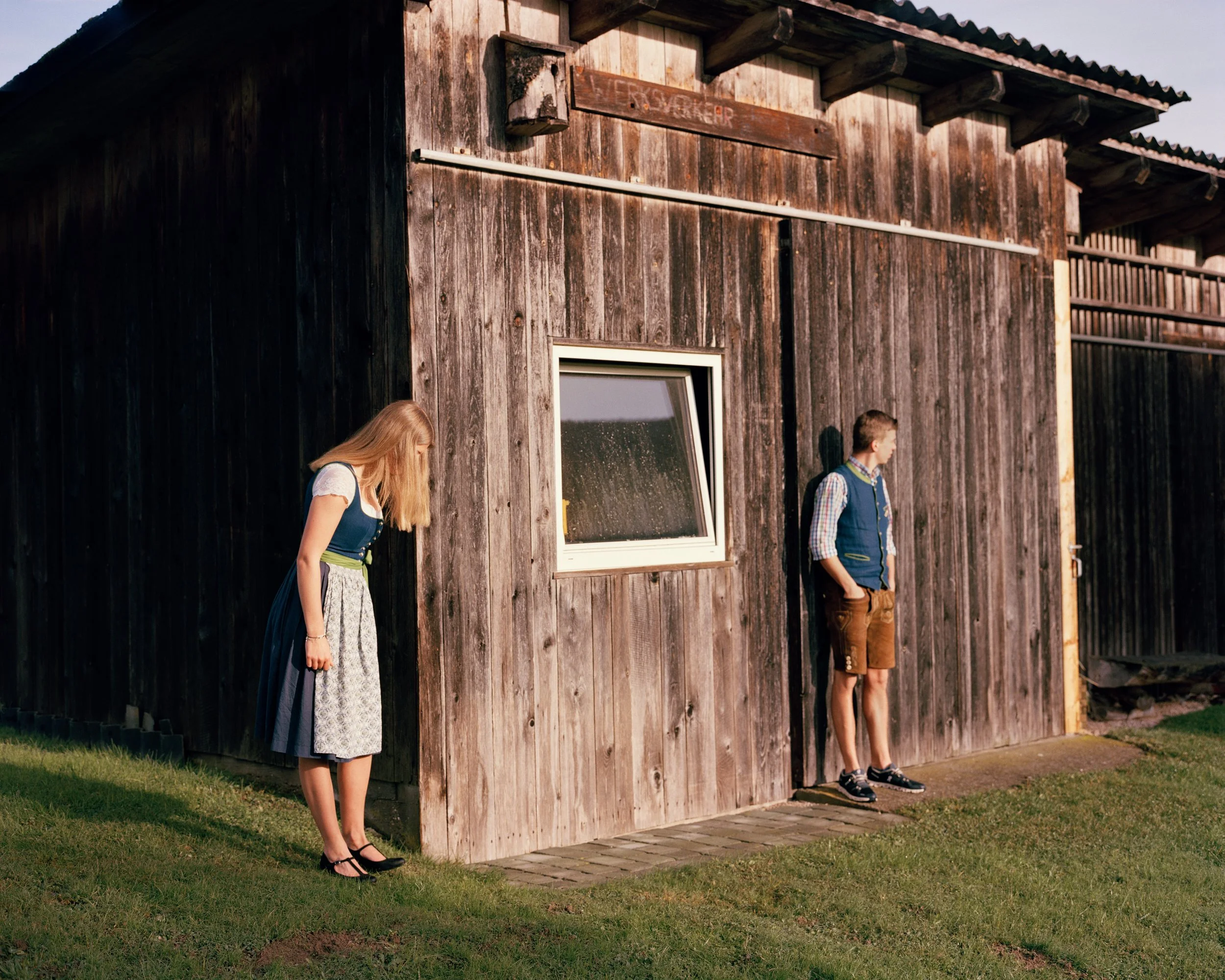
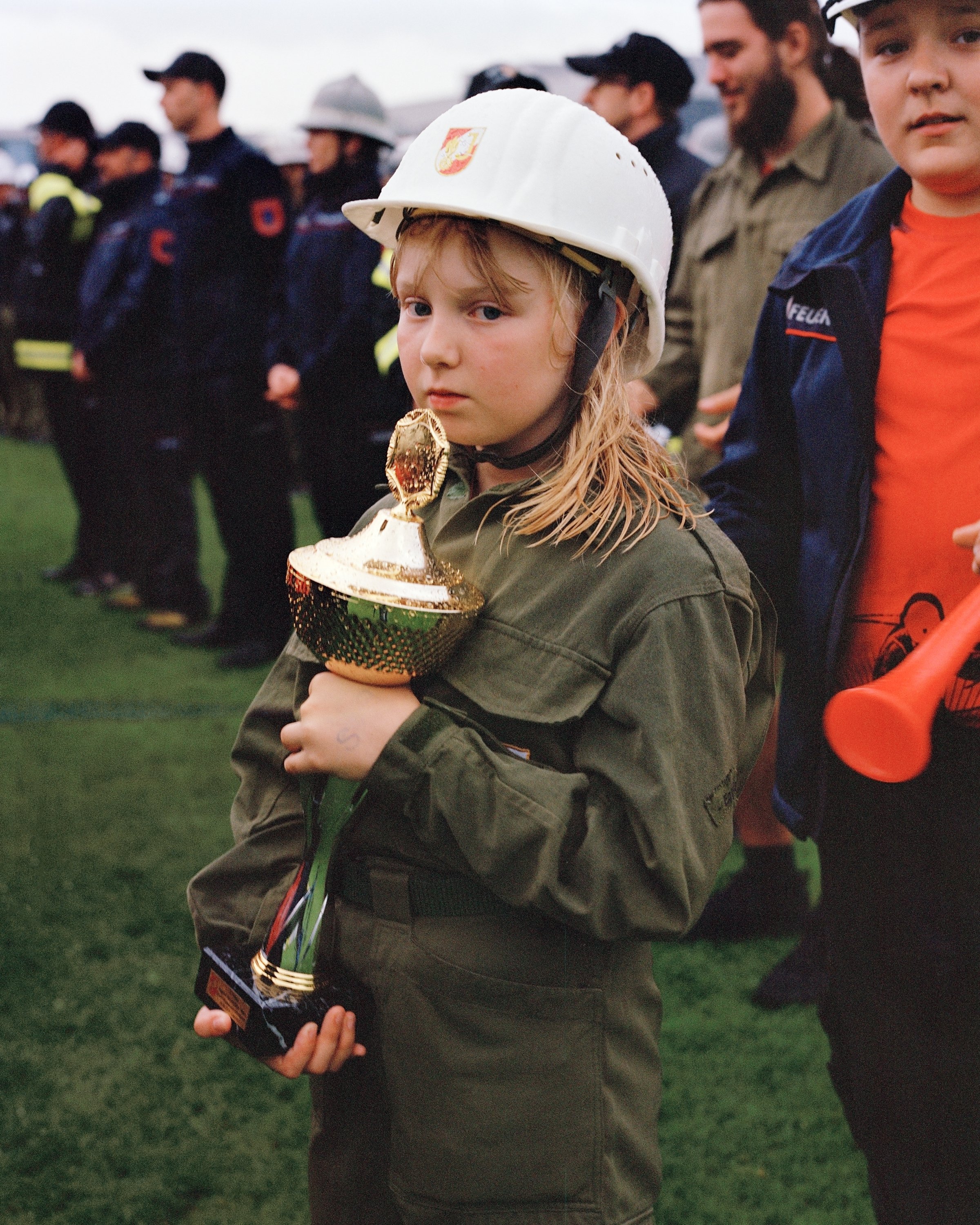
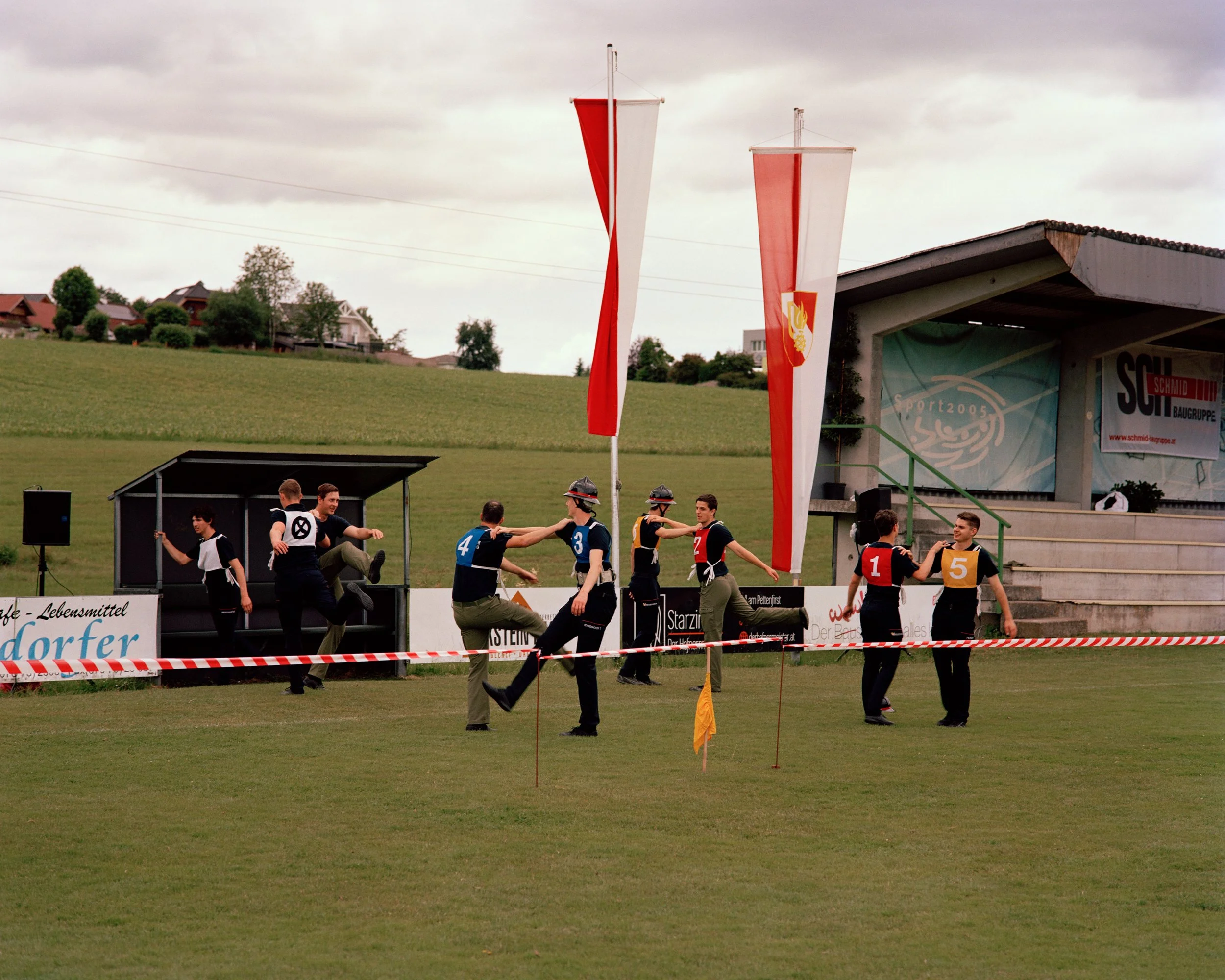
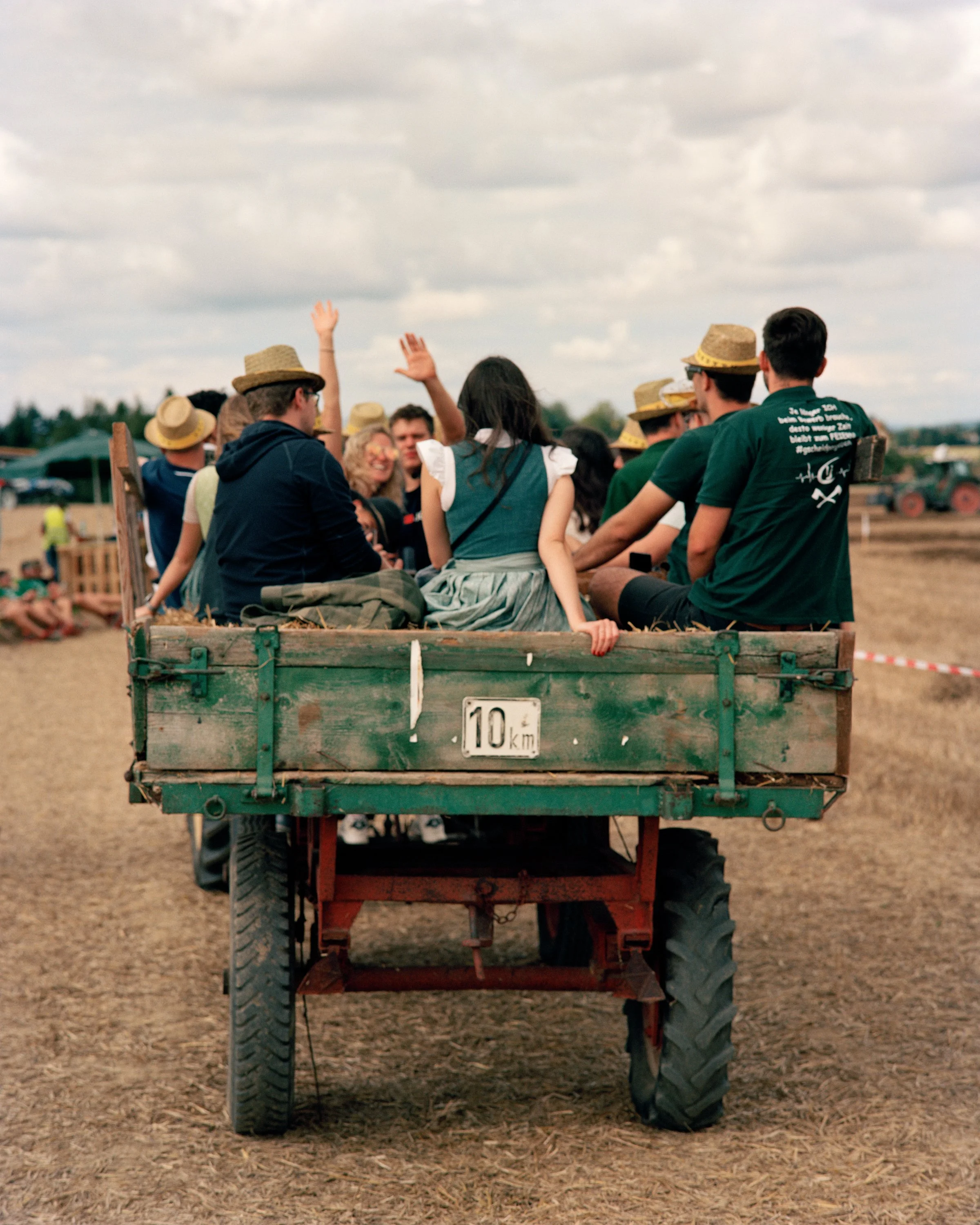
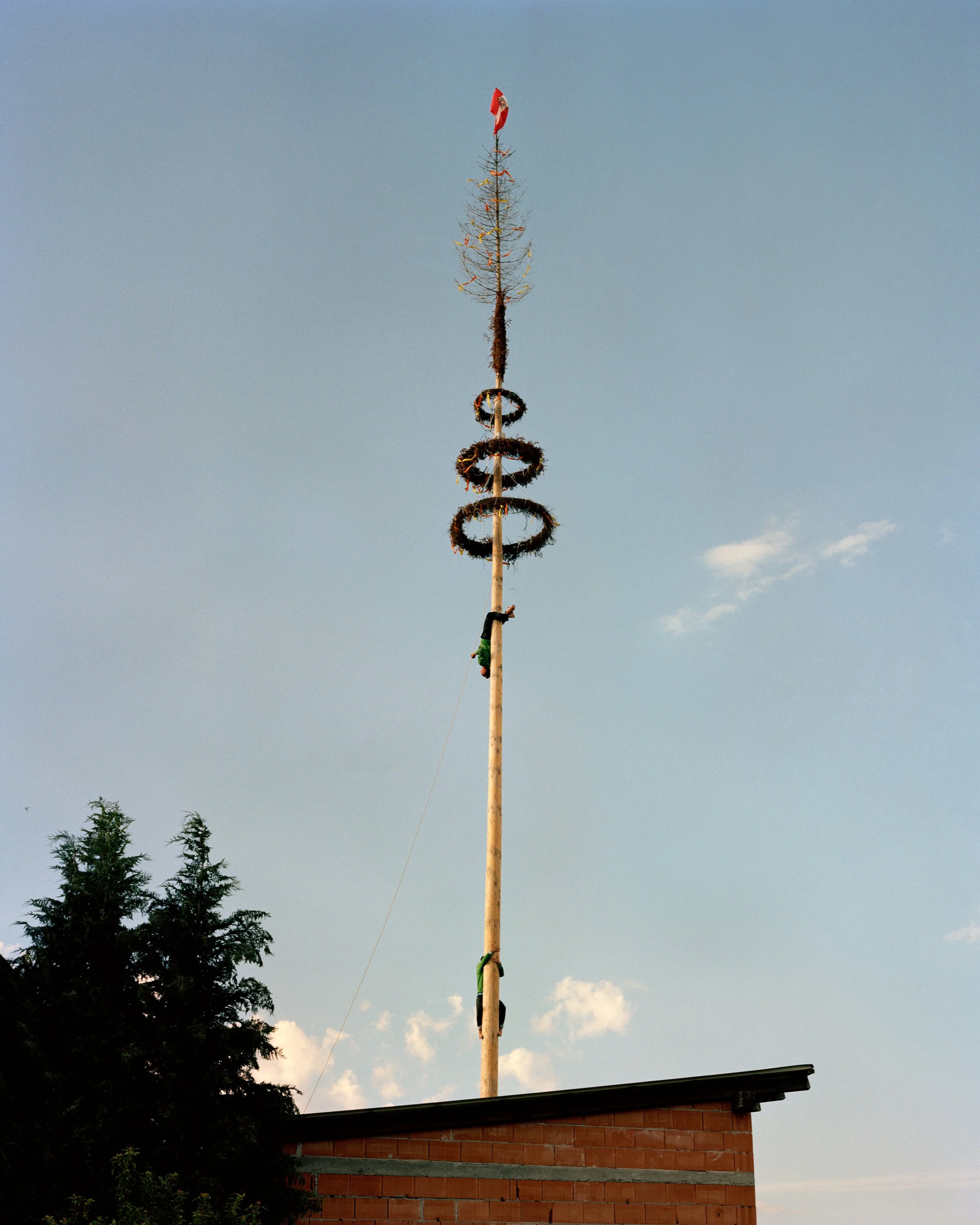
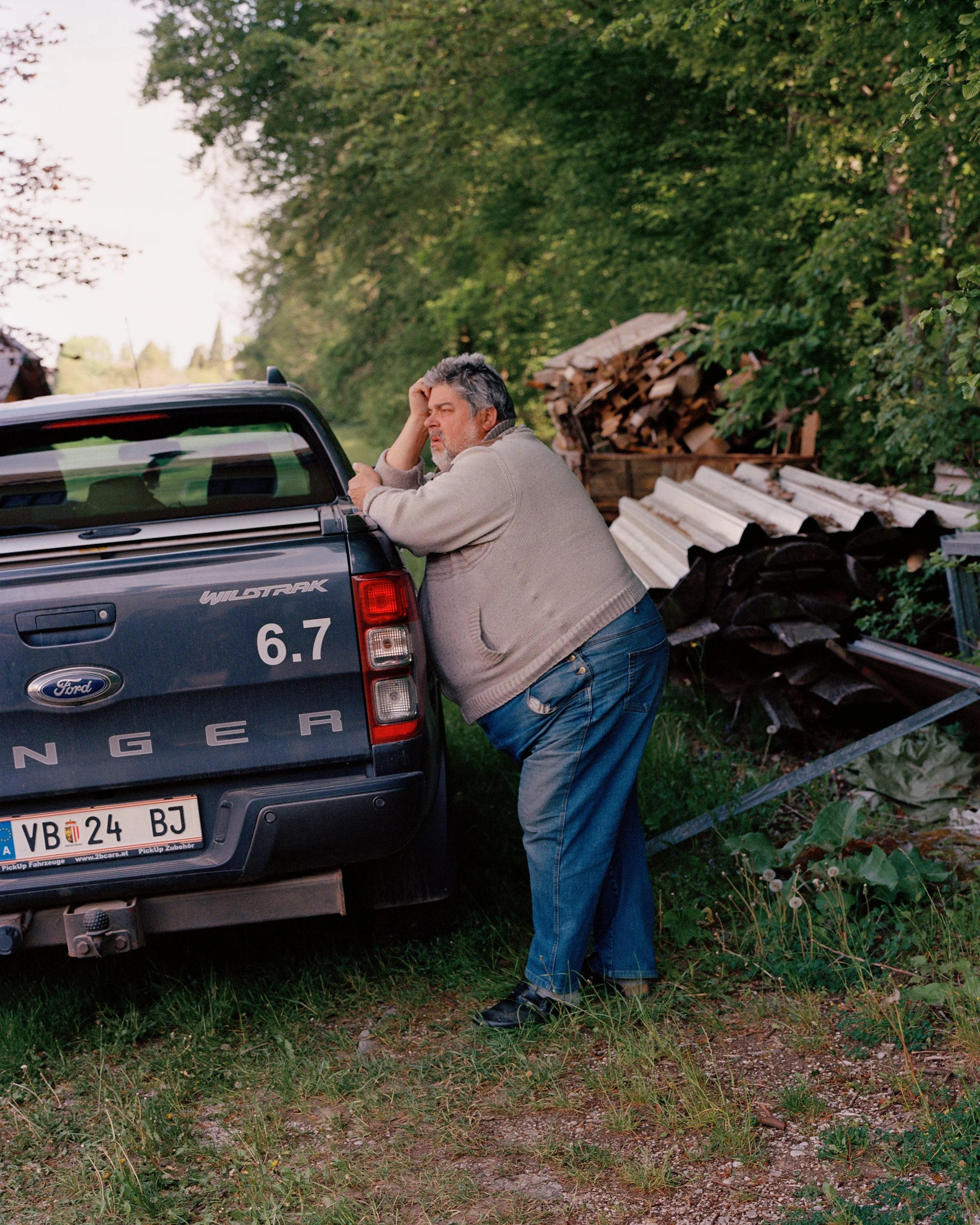
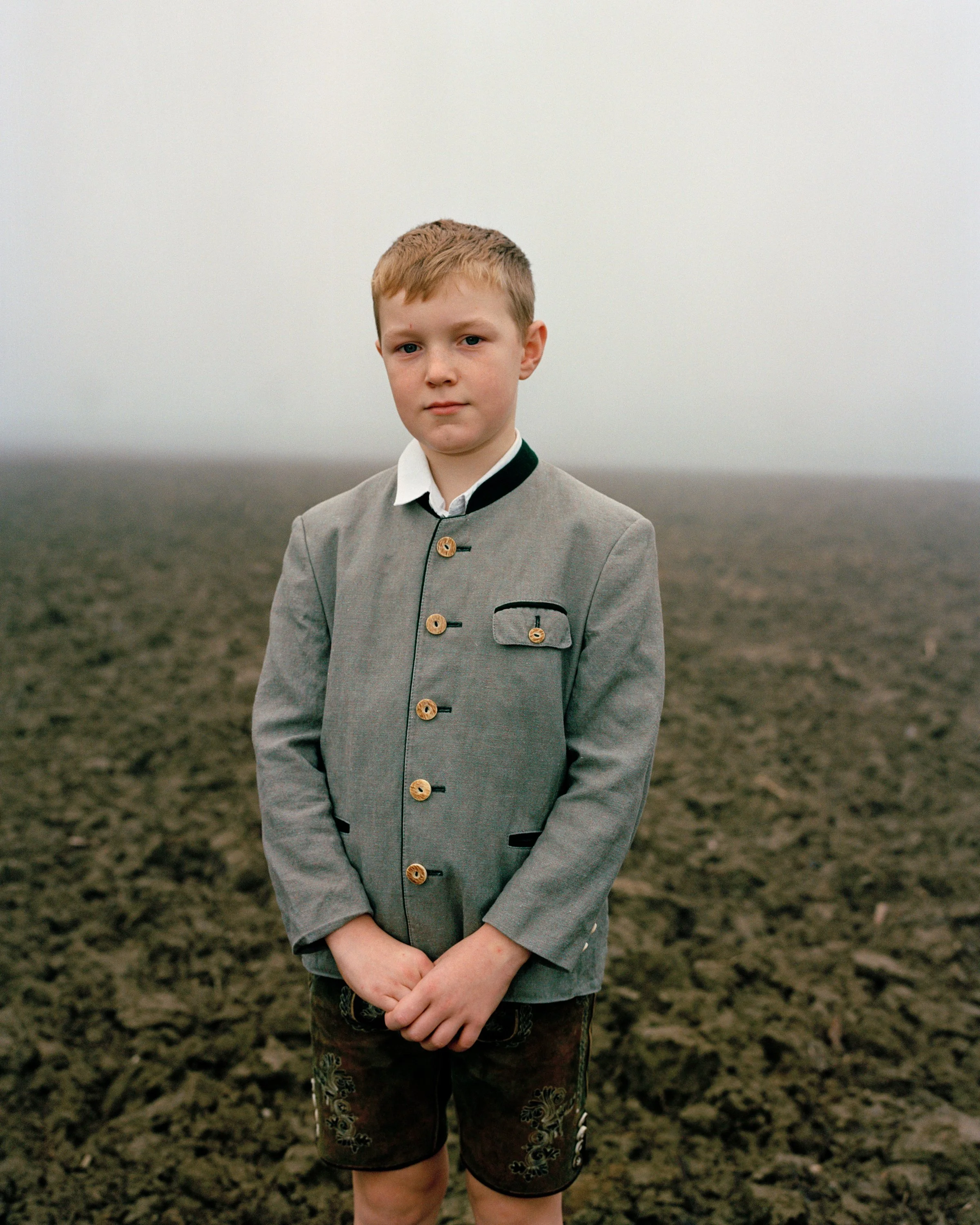
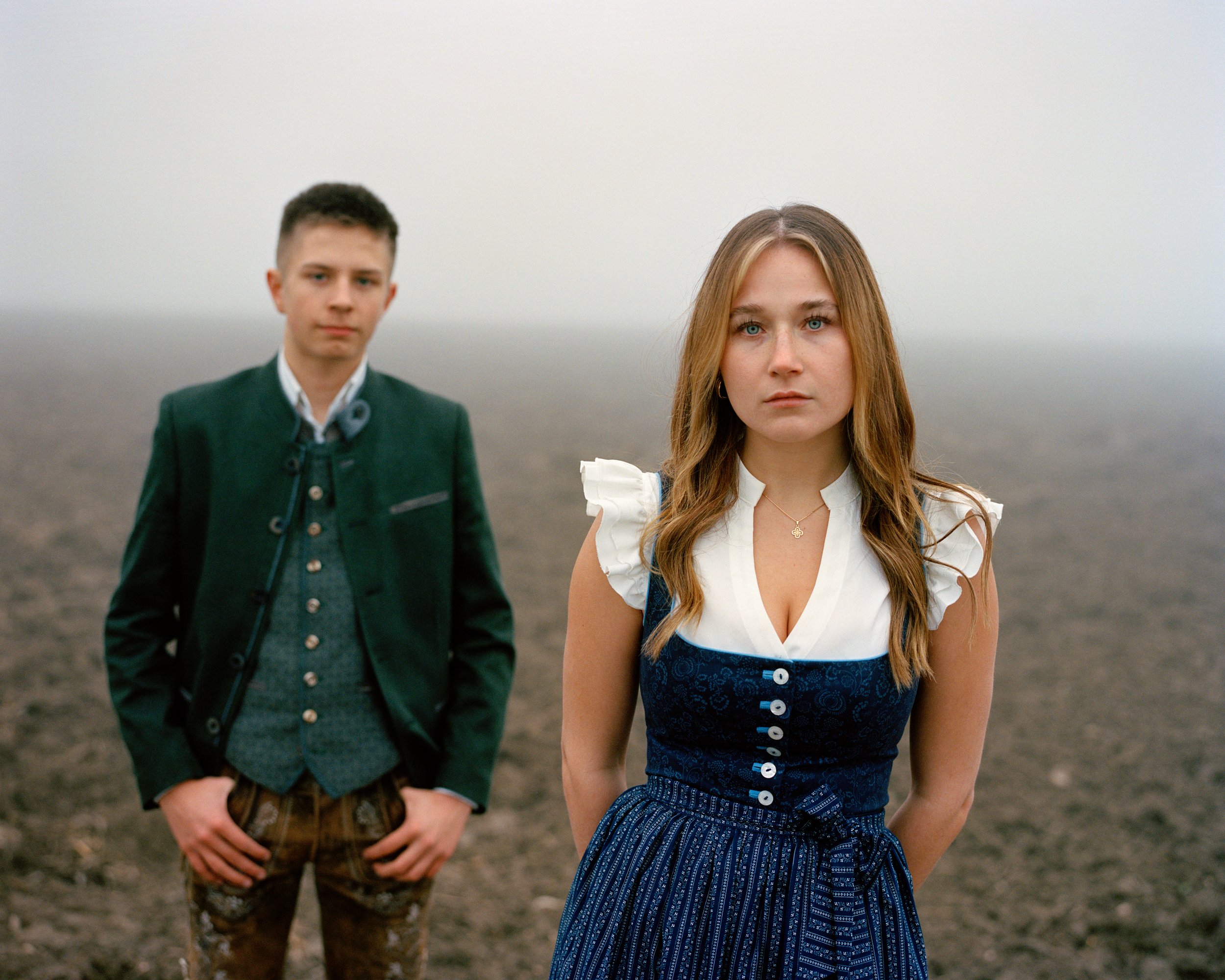
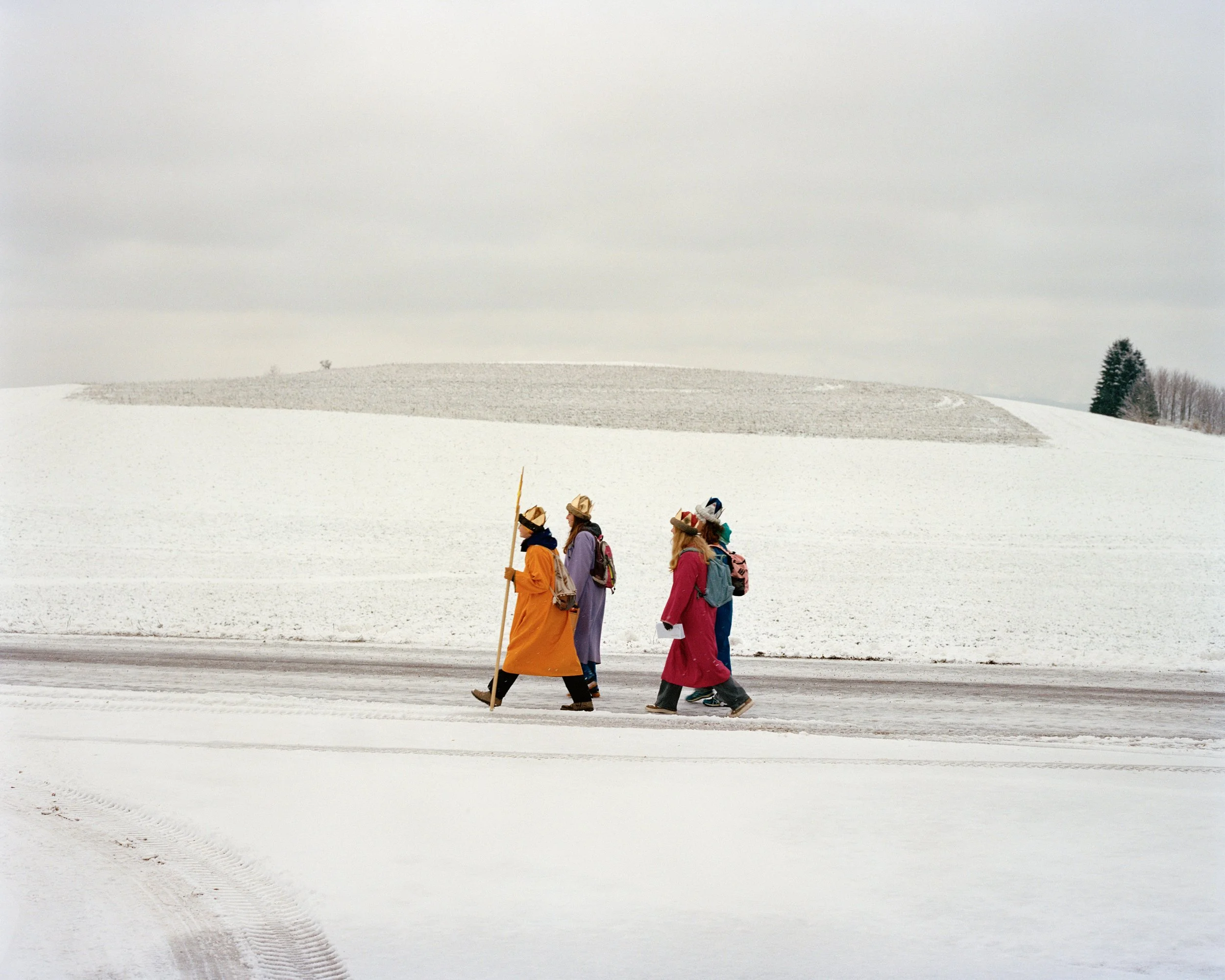
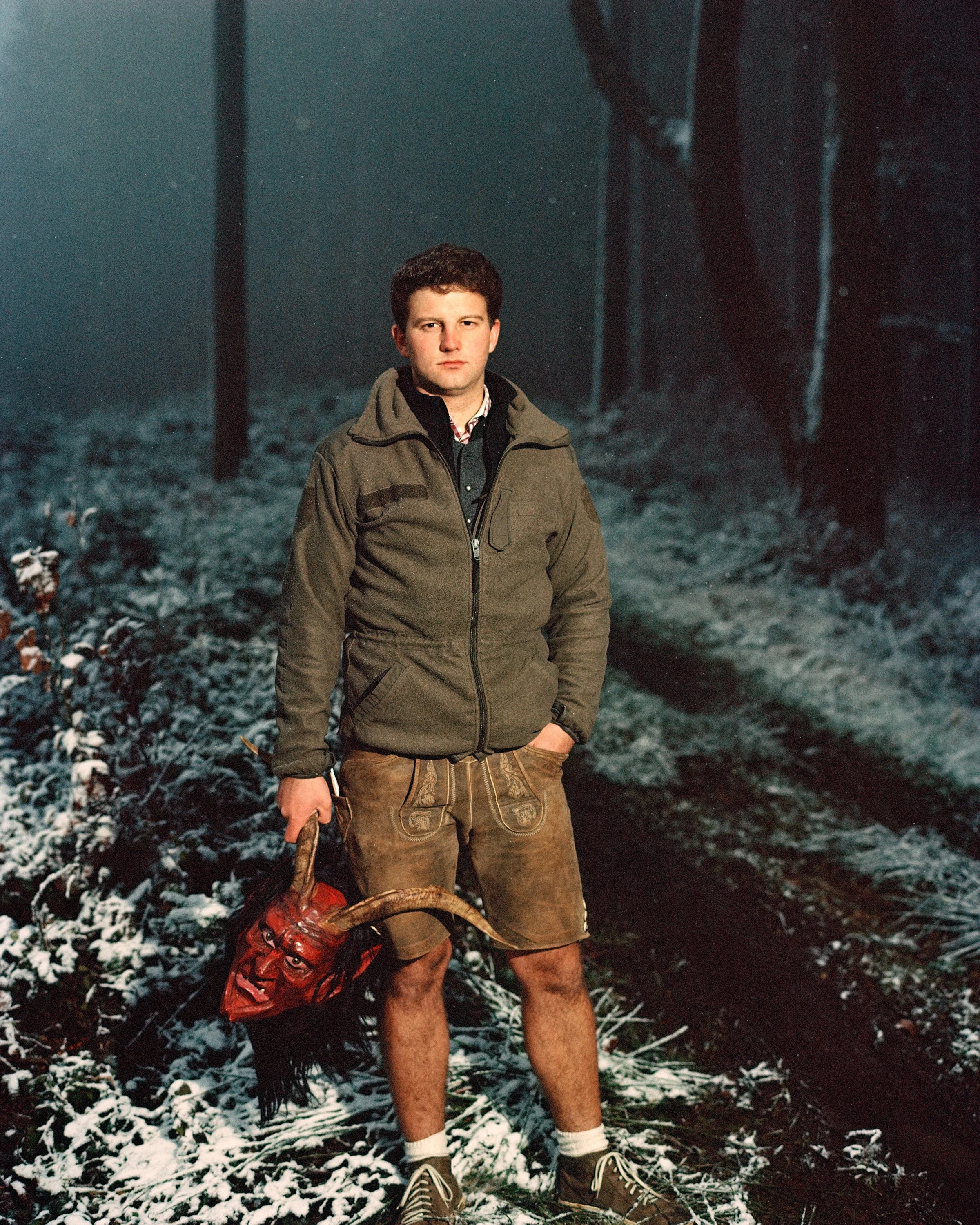
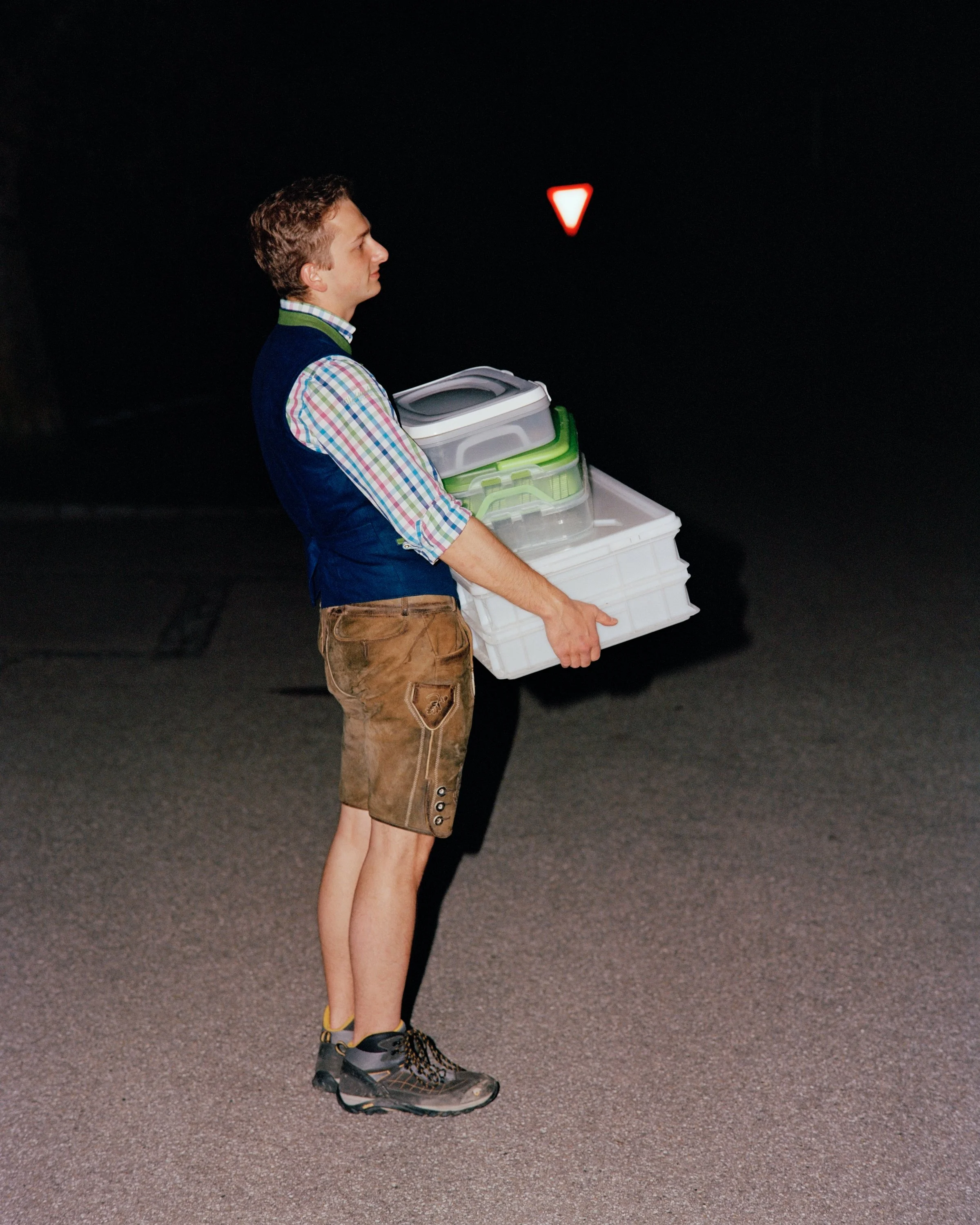
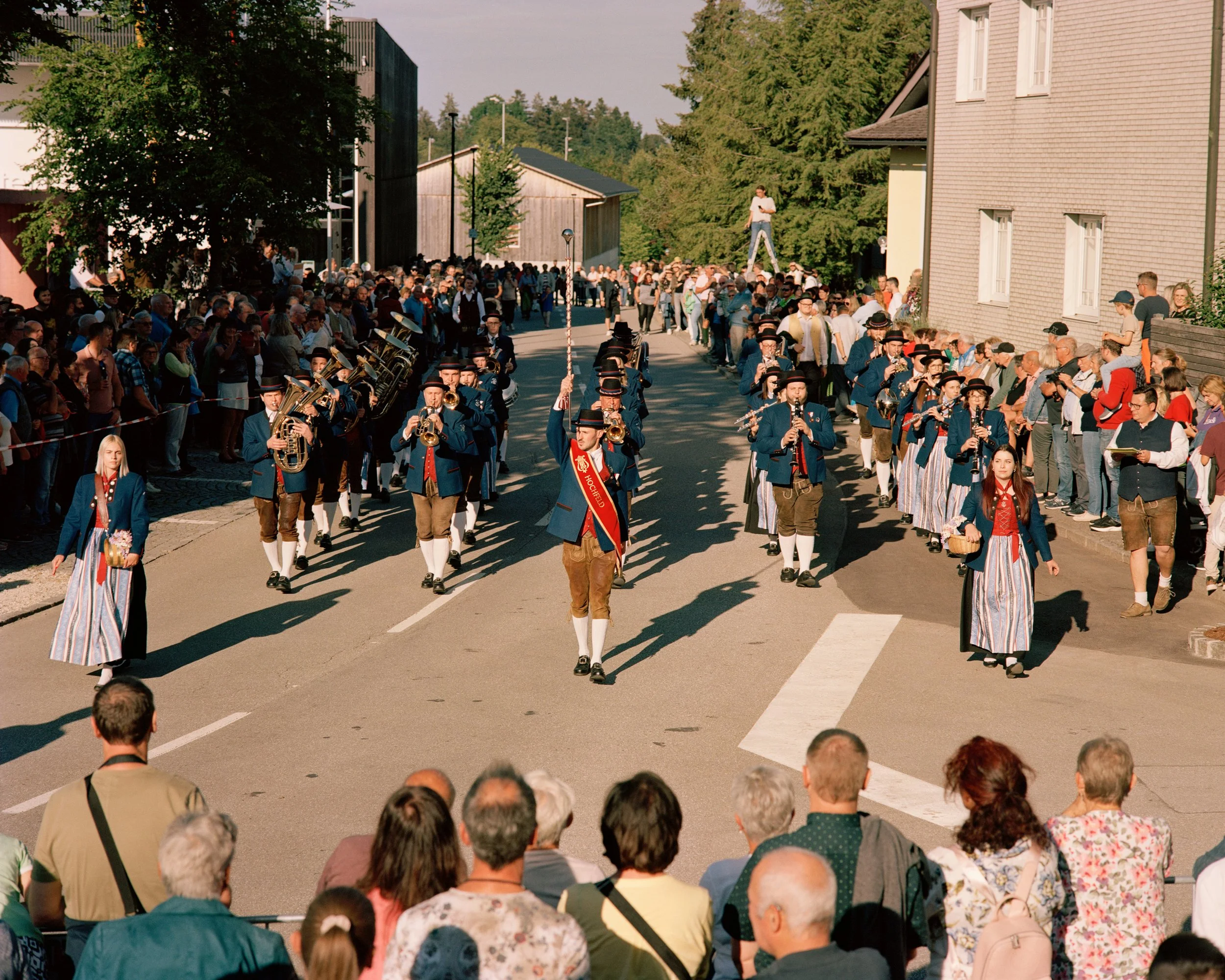
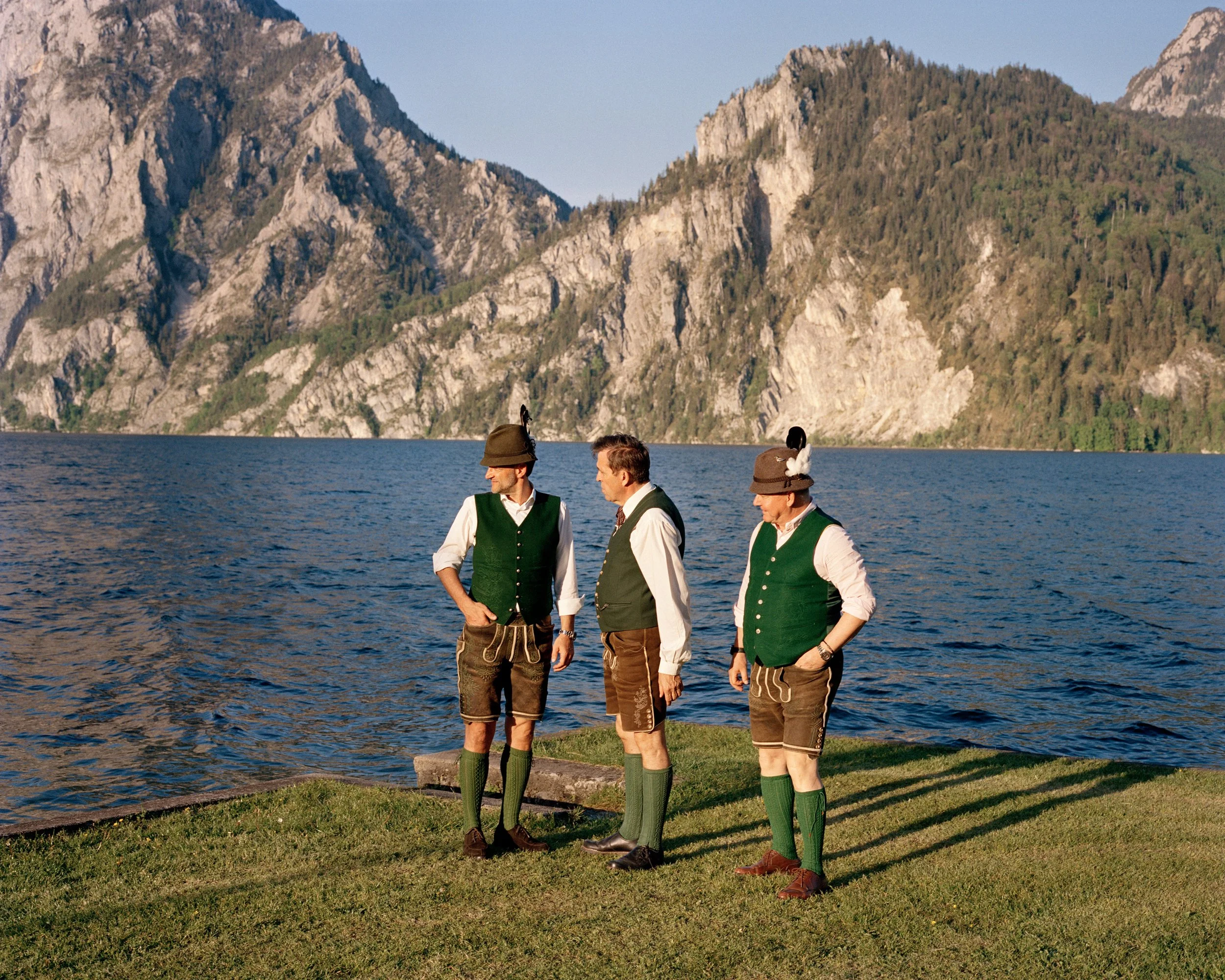
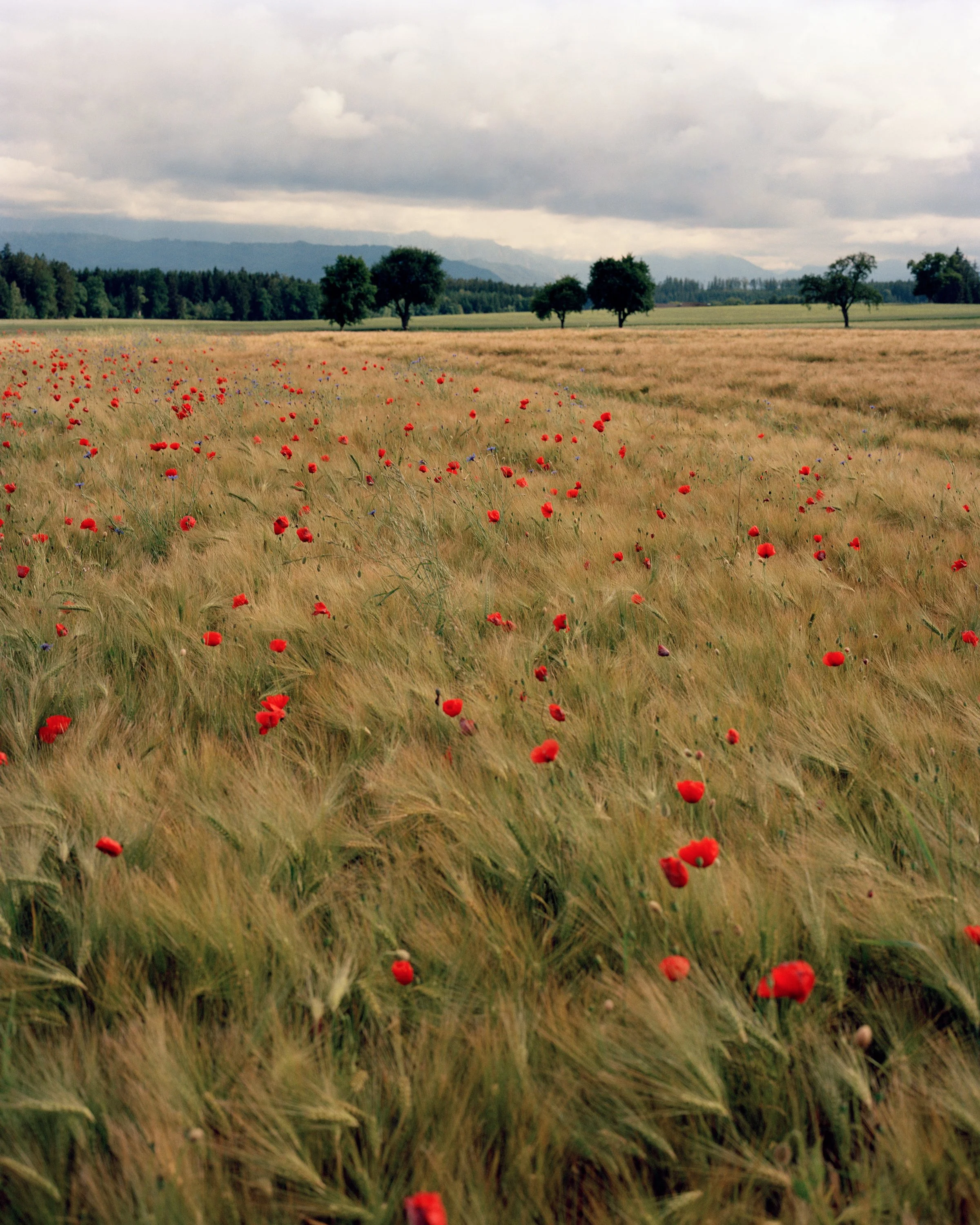
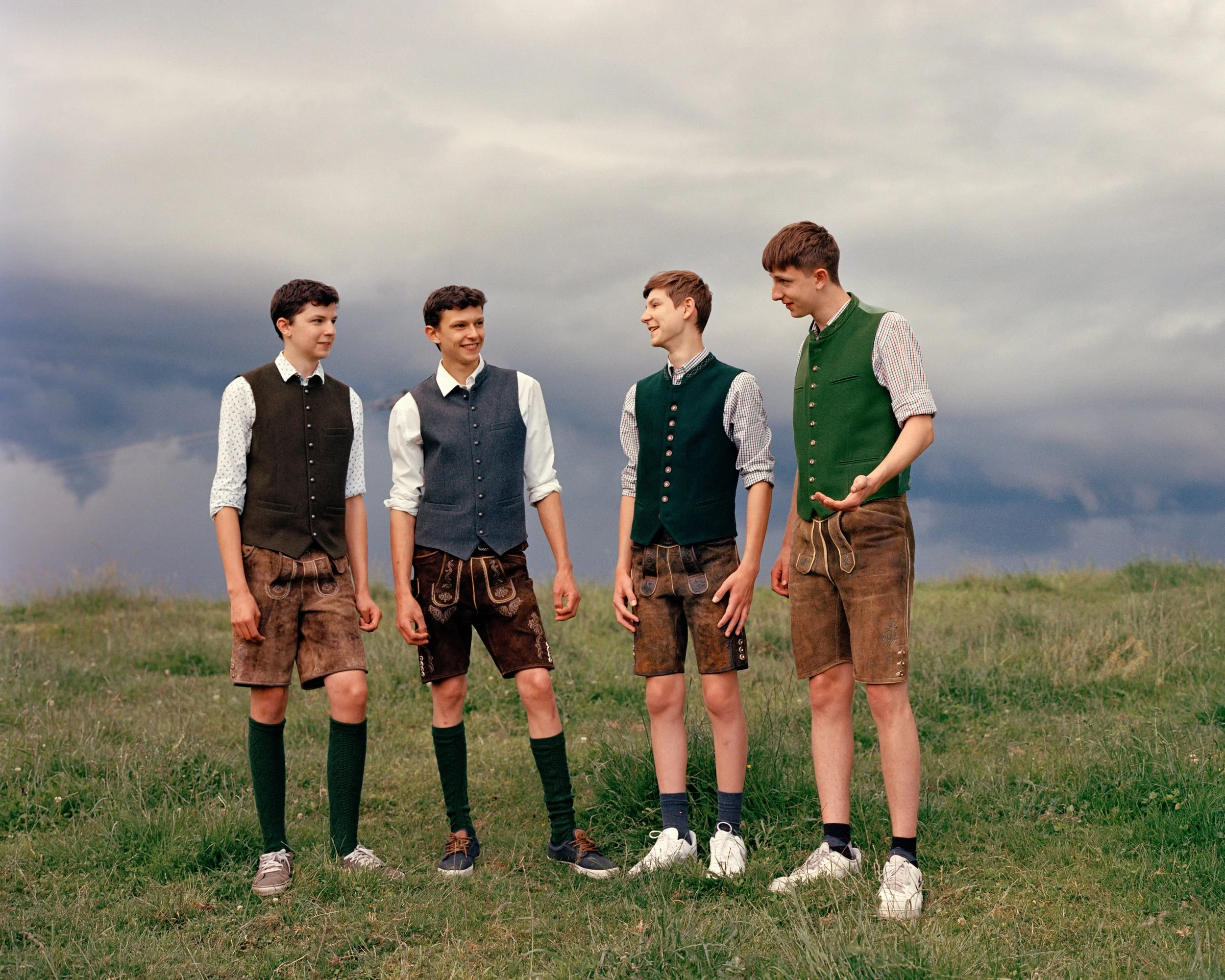
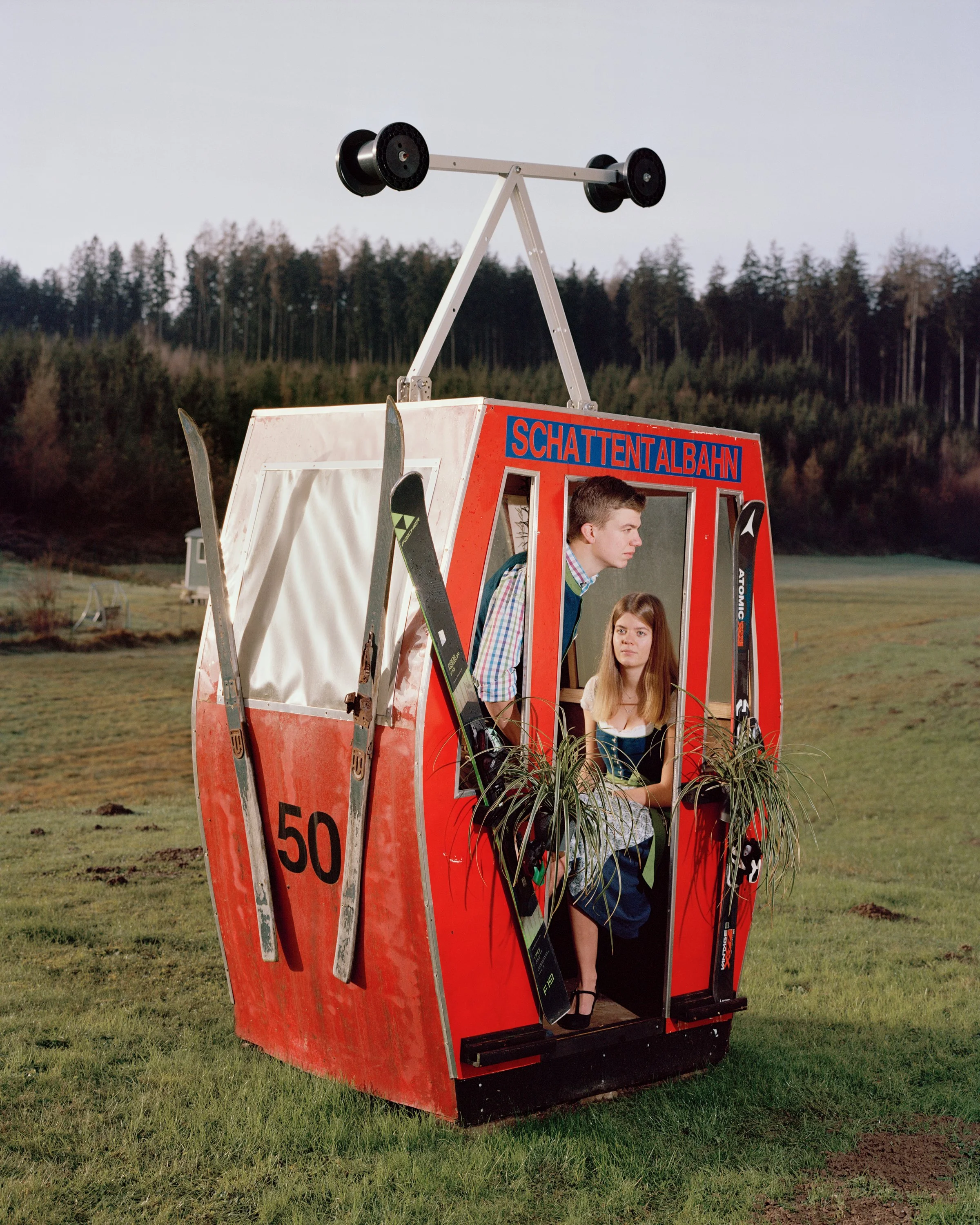
What does it mean to grow up in the countryside? At first glance, countryside doesn’t sound like new beginnings or the future. Rather, it sounds like tradition, idyll, and perhaps even boredom or backwardness. While the city is seen as the embodiment of modernity, the countryside often seems disconnected from it. And there’s certainly some truth to that. Consider, for example, the success of right-wing parties, which are gaining significant ground, especially in rural regions. As a young person, one might think, you have to get out of there as quickly as possible.
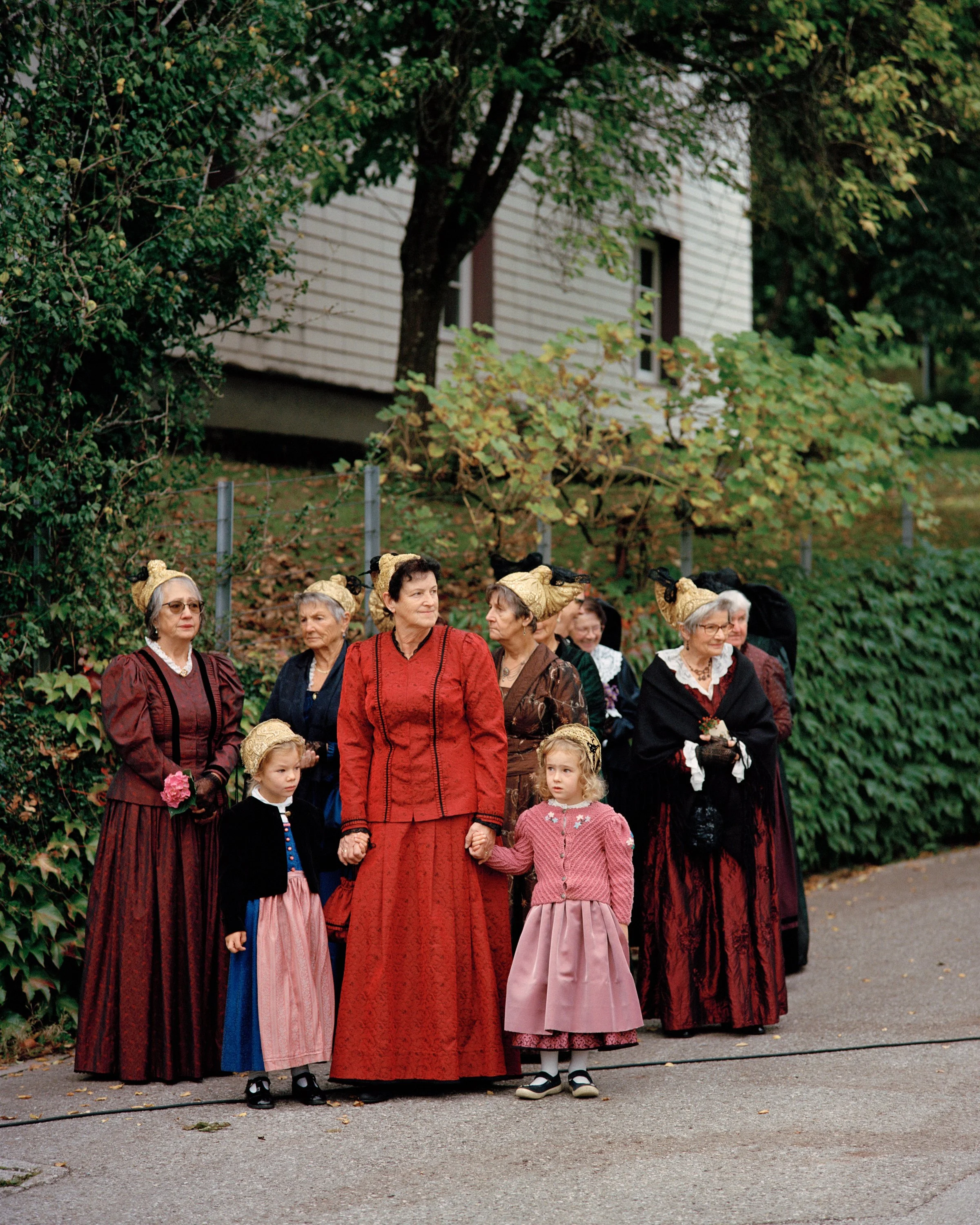
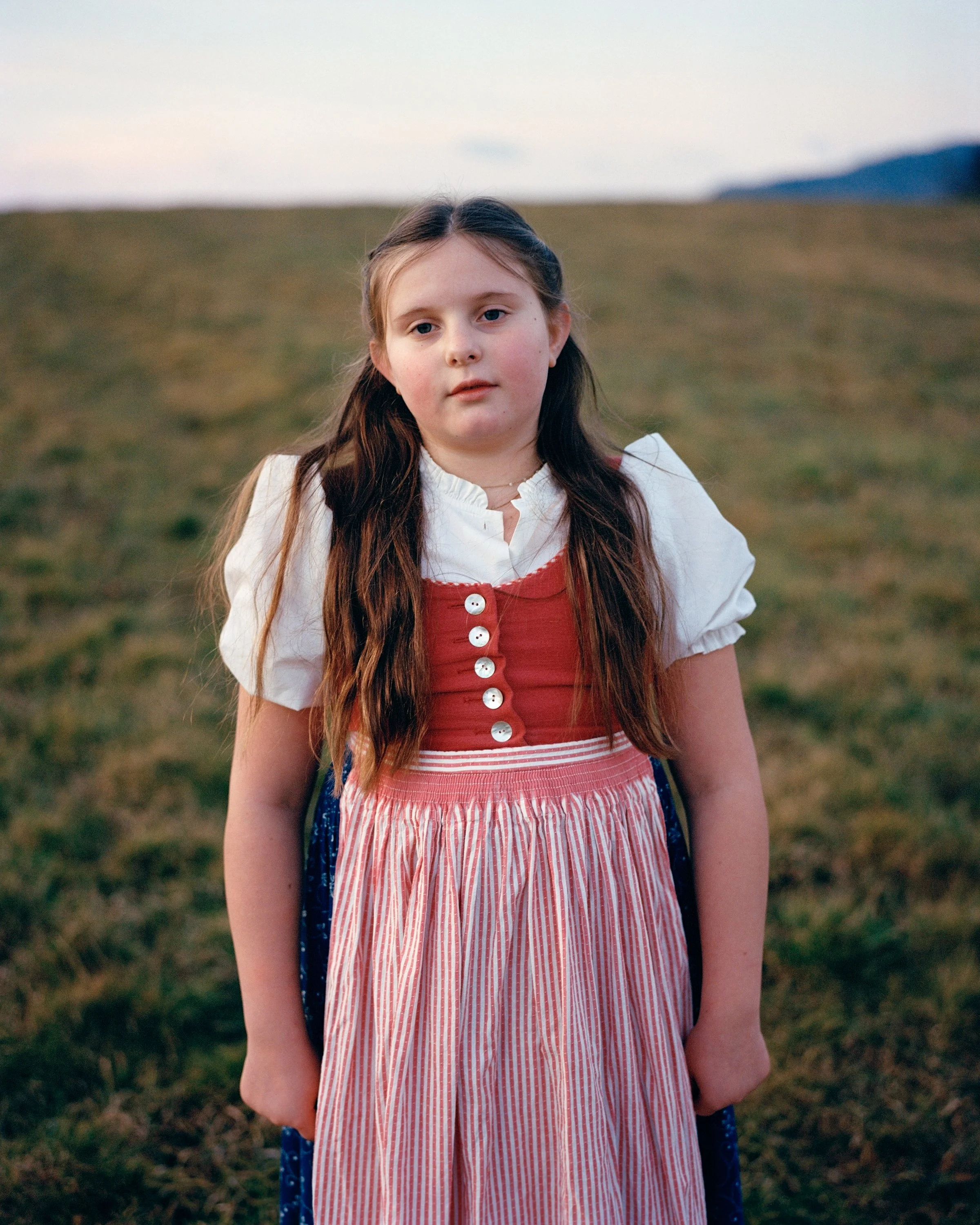
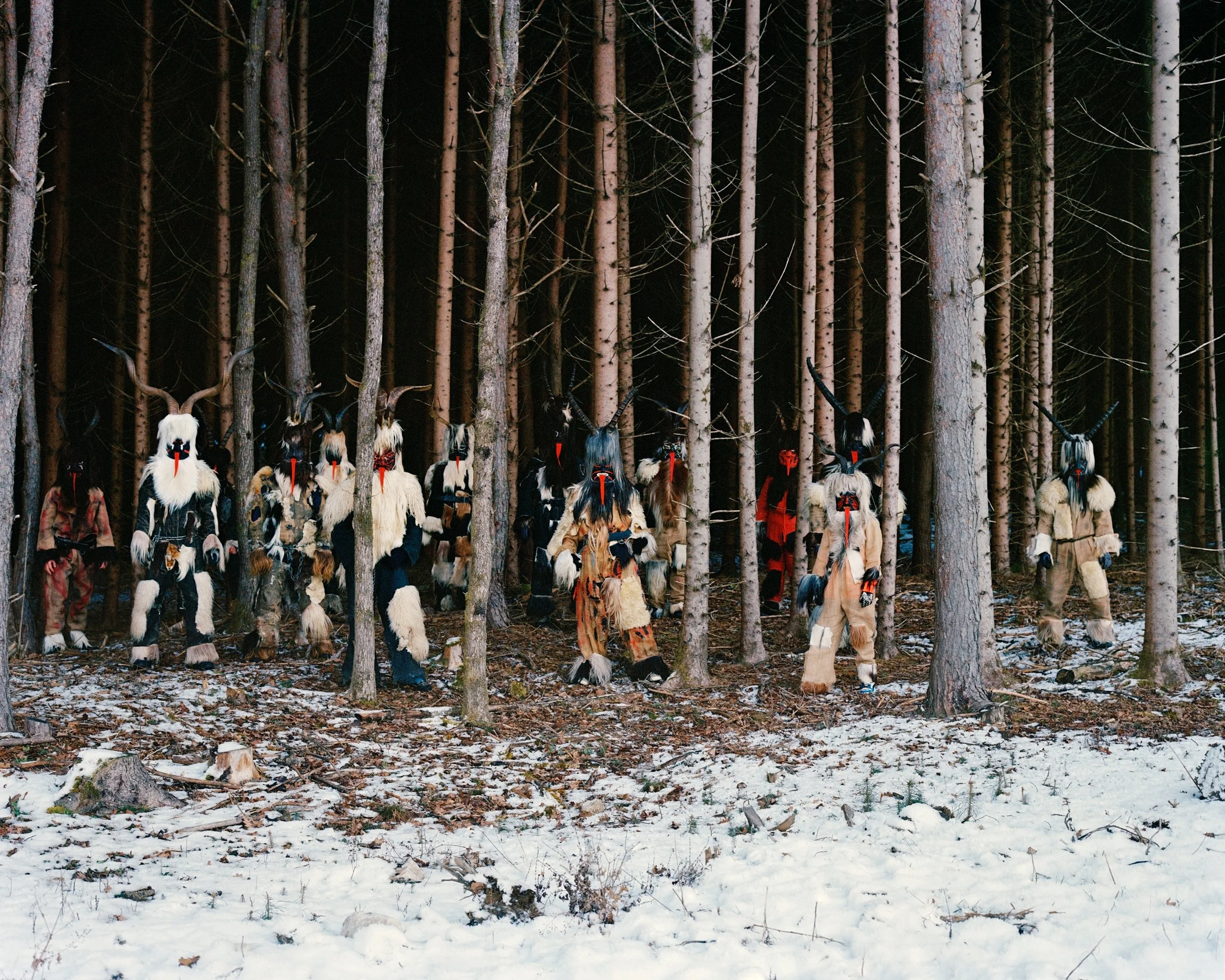
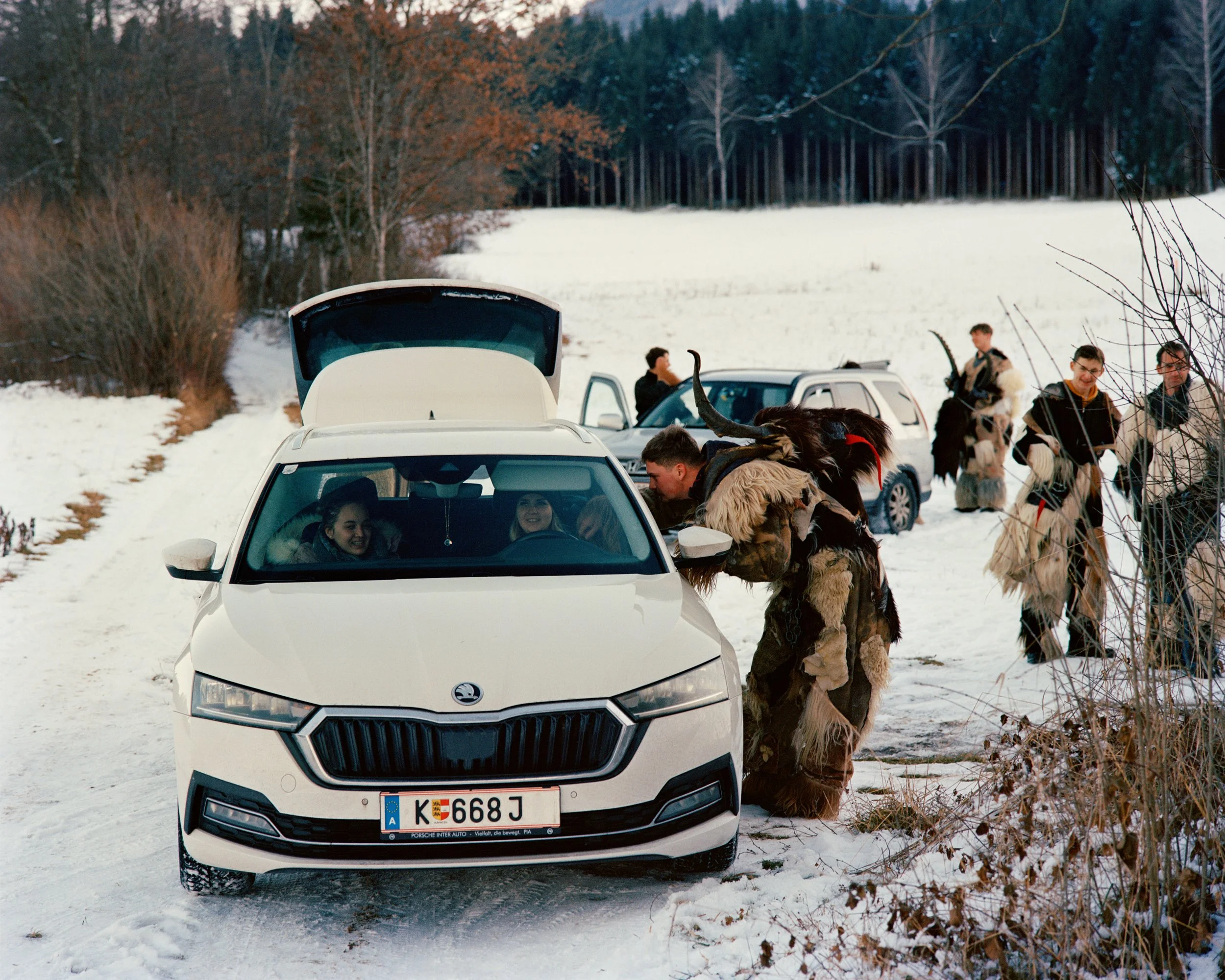
And yet this notion falls short. If you look more closely, a more nuanced picture emerges, at least in Austria. In many places, life in the countryside is truly vibrant. Hardly a weekend goes by without large gatherings: Maypole festivals, Krampus parades, church celebrations, hunts, or events organized by the fire department and brass bands. Right in the middle of it all are the rural youth, proudly dressed in dirndls and lederhosen, which a generation ago were still considered old-fashioned.
The young people celebrate the old traditions and customs not out of a sense of duty, but quite the opposite—they develop a deep passion for them. They slip into uniforms and Krampus masks, climb Maypoles with bare hands and feet, compete in plowing contests, and go from house to house as Sternsinger. And above all, they seize every opportunity to celebrate to the fullest. The whole thing feels like a grand role-playing game, a massive folk festival where everyone has their place.
Tradition and customs serve as escapism, as a refuge from reality. What may seem strange to outsiders means one thing above all else to those on the inside: community and belonging.
In his long-term documentary project LAND jugend, photographer Dominik Maringer has been exploring the lives of young people in rural regions of Upper Austria, and Carinthia since 2024. Intimate portraits stand alongside photographs of festivals, events, and landscapes, together forming a multifaceted picture of these lived realities.
Maringer, who grew up in rural Upper Austria and has lived in big cities since his studies, always meets his subjects on equal footing and seeks out everyday, archaic, whimsical, and touching moments. His work invites us to reflect on our own upbringing and on the fundamental questions that many people ask themselves: Where do I come from, and where do I feel I belong?